Clean Beauty Reformulation: When Trusted Brands Change Their Formulas
Clean beauty reformulation is when a brand changes a product’s ingredient list without changing the label, the marketing, or the price. Two products I’ve recommended for years did it this summer. CLEARSTEM Hydraberry added two new irritants and a daily exfoliant. Evolvh SmartCurl added two ethoxylated surfactants and two pore-clogging ingredients. Neither brand announced it.
I found out the way I find out everything. I went to reorder, ran the labels through my Ingredient Microscope before checkout, and watched flags come up on products that had passed clean for years.
I’ve battled acne for over 20 years. I’ve recommended both of these products to friends and readers. So this one stung. But it also confirmed a pattern I want you to understand, because if it happened to products I screen religiously, it’s happening to something in your bathroom right now.
Why Does Clean Beauty Reformulation Happen So Often?
Clean beauty reformulation happens because ingredient lists are a cost line, and nobody’s required to tell you when that line gets cut. In the US, a brand can change a formula and keep the same name and the same “clean” claim. The only thing that has to change is the tiny ingredient list on the back.
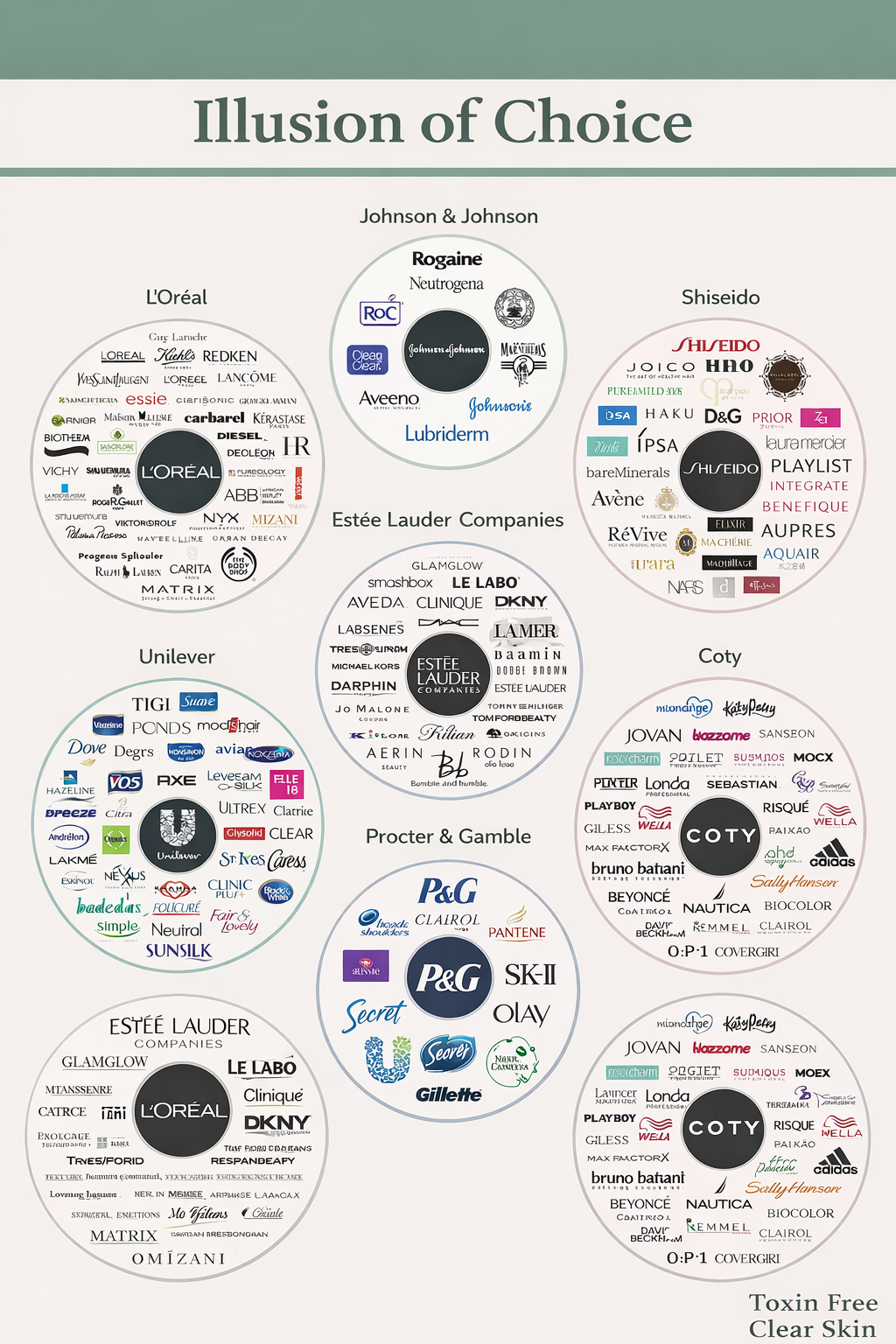
Part of this is consolidation. Seven corporations own roughly 182 beauty brands between them: L’Oréal, Estée Lauder, Unilever, Johnson & Johnson, Procter & Gamble, Shiseido, and Coty. When one of them buys an indie brand, the formula usually gets standardized to match the rest of the portfolio. Same suppliers and same cheaper surfactants at every price point.
I expected that part. The part that caught me off guard is that independent brands do it too. Both of the products below still belong to the founders who built them. The pressure to cut costs doesn’t need a corporate buyer. It only needs a rising supplier invoice.
CLEARSTEM Hydraberry After Clean Beauty Reformulation
CLEARSTEM added two ingredients to Hydraberry that fail my toxin screen, plus one exfoliant that deserves its own section. The product still passes the comedogenic screen. It no longer passes both.
1. Phenoxyethanol
This preservative shows up in thousands of products and sounds harmless. It’s a documented skin irritant and contact allergen, and it’s a known problem for people who already have a compromised barrier. In 2008 the FDA warned parents about a nipple cream containing it. Nursing infants had shown signs of central nervous system depression. France’s health agency ANSM has recommended against using it in products for the diaper area of children under three, and the EU Cosmetics Regulation caps it at 1% of any formula.
2. 1-(2,6,6-Trimethyl-2-Cyclohexen-1-Yl)-2-Buten-1-One
You’ll see this one written as beta-damascone. It’s a synthetic fragrance compound, and it’s on the EU Scientific Committee on Consumer Safety’s list of fragrance allergens established in humans. Contact dermatitis, rashes, and sensitivity are the typical reactions. The Environmental Working Group rates it a moderate concern for allergies and immunotoxicity. A moisturizer marketed to acne-prone skin doesn’t need a fragrance allergen in it.
The verdict on Hydraberry: still acne-safe on the comedogenic screen. No longer clean on the toxin screen. It fails the dual method.
Evolvh SmartCurl Shampoo and Conditioner: Five New Ingredients
This one hurt more, because I loved this duo. Evolvh added five ingredients to both the SmartCurl shampoo and conditioner. Two fail the toxin screen, two fail the comedogenic screen, and one hides an unknown number of chemicals behind a single word.
1. Disodium Laureth Sulfosuccinate
Any ingredient with “-eth” in the name went through ethoxylation, a process that uses ethylene oxide, a known carcinogen. The process can leave behind 1,4-dioxane, which the FDA lists as a potential contaminant in cosmetics and which the EPA classifies as a likely human carcinogen. Brands can vacuum-strip it out during manufacturing. Most don’t disclose whether they do.
2. Sorbeth-230 Tetraoleate
Another ethoxylated ingredient with the same carcinogen contamination risks.
Why add carcinogen-contaminated ingredients to a “clean” shampoo and conditioner? Cost-cutting. These two replaced safer surfactants and emulsifiers because they cost less.
3. Natural Fragrance
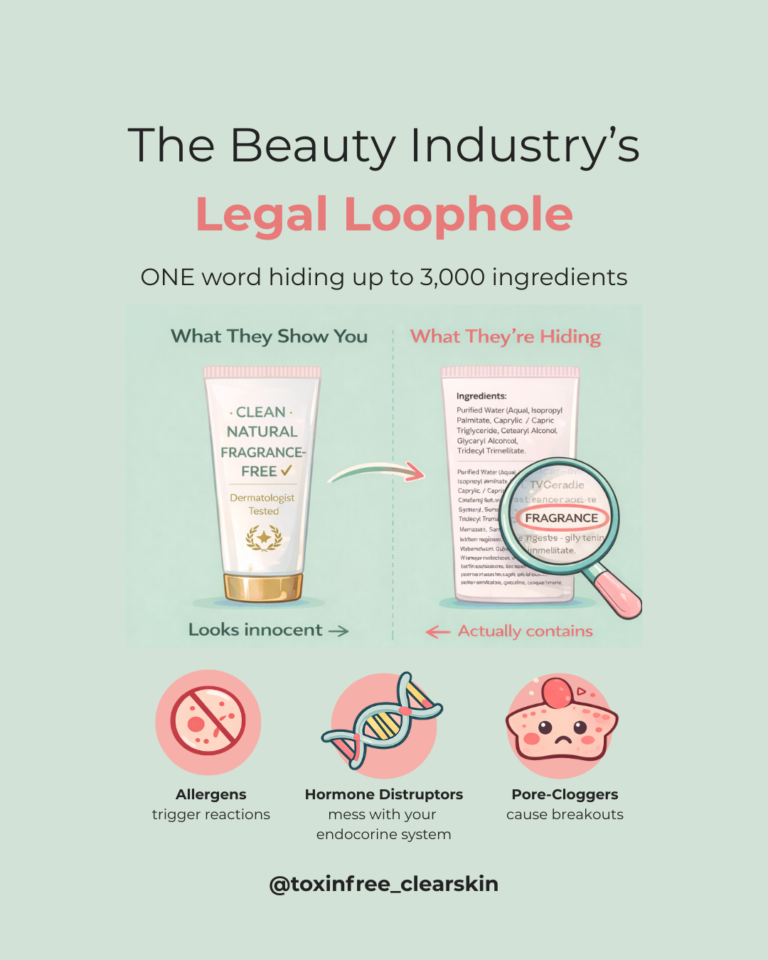
“Natural” tells you where a compound came from. It tells you nothing about whether it triggers breakouts or allergies. The word “fragrance” on a US label can legally cover dozens of undisclosed ingredients. A brand that’s committed to transparency lists its botanical scent components by name instead. Evolvh used to. Now it doesn’t.
4. Sorbitan Laurate
A comedogenic rating of 3 out of 5 in my database. That’s a fail on the comedogenic screen for anything that touches your skin regularly.
5. Linum Usitatissimum (Linseed) Seed Extract
Flaxseed oil, rated 4 out of 5. It’s one of the heavier plant oils and one of the most common reasons a “clean” product breaks people out.
Why Hair Products Matter for Acne
Shampoo and conditioner run down your hairline, jaw, neck, chest, and back every single wash. Rinse-off products carry less comedogenic risk than leave-on ones, but conditioner sits on your hair for minutes, and hair rests against your skin all day. So a 4-out-of-5 oil in your conditioner is a leave-on product for your back.
I’ve gotten back acne from the wrong conditioner more times than I can count. It took me years to connect the two, because nobody screens hair products for acne. Dermatologists ask about your face wash. They don’t ask what’s in your conditioner.
How to Catch Clean Beauty Reformulation Before It Hits Your Skin
Check the ingredient list every time you reorder. Especially for products you’ve used for years. Those are the ones you’ve stopped reading, and brands count on that.
Look for these signs that a formula changed:
- The ingredient list is a different length than you remember
- A new preservative appears (phenoxyethanol, ethylhexylglycerin, sodium benzoate)
- Anything ending in “-eth” or containing “PEG” shows up
- “Fragrance” or “natural fragrance” replaces a list of named botanicals
- A new plant oil or butter appears near the top of the list
This used to take me an hour per product. I’d search every ingredient, cross-check two or three databases, and try to work out whether that long Latin name was coconut oil under another label. It usually was.
Now the Ingredient Microscope does it in under 30 seconds. It runs every ingredient against 600+ entries and screens for both toxic and comedogenic flags at once, because you can’t get clear skin by avoiding one and loading up on the other. That dual screen is what finally cleared my skin after 20 years, and it’s the whole method behind this site.
If you’d rather skip the detective work entirely, The Routine Builder only recommends products that pass both screens, and I update it every time a product on the list reformulates. Which, as this post shows, is often.
Questions I Get The Most
Do brands have to tell you when they reformulate a product? No. US cosmetic law requires an accurate ingredient list on the package, and nothing more. A brand can change the formula, keep the same name and packaging, and never mention it.
How do I know if a product I use was reformulated? Compare the ingredient list on your current bottle to the one on the brand’s website or your new order. A change in list length, order, or a new preservative name is the fastest tell.
Is salicylic acid the same BHA that’s an endocrine disruptor? No. Salicylic acid is a beta hydroxy acid, an exfoliant. The endocrine disruptor is butylated hydroxyanisole, a preservative that’s also abbreviated BHA, and the two are unrelated chemicals.
Is phenoxyethanol safe in skincare? It’s a documented skin irritant and contact allergen, and the EU caps it at 1% of a formula. For sensitive or acne-prone skin, I flag it and recommend products preserved another way.
Can shampoo and conditioner cause acne? Yes. Conditioner rinses down your back, chest, and hairline, and ingredients like flaxseed oil (comedogenic rating 4 out of 5) clog pores wherever they land.
Does “natural fragrance” mean the product is safe? No. “Natural” describes the source, and a single “fragrance” listing can hide dozens of undisclosed compounds, including known allergens.
Check Your Products This Week
Clean beauty reformulation is going to keep happening, because nothing requires brands to stop. The label still says clean. So does the marketing. Only the ingredient list tells the truth, and it’s the only part most people never reread.
I’m not writing off CLEARSTEM or Evolvh. I still use and recommend other products from both. This is about a system that lets a formula change silently and leaves you to find out on your face.
Pull up the products you’ve reordered on autopilot the longest and run them through the Ingredient Microscope today. If one of them changed on you, email me. I’m keeping a running list of brands to watch, and your bottle might save someone else’s skin.
Have you discovered a product that reformulated on you? Share your story in the comments below or email me directly Let’s hold these brands accountable together.



I just found this post while searching for a replacement for the Evolvh SmartCurl shampoo and conditioner. I have used these for years and this last order just isn’t nearly as good as it used to be. I didn’t have any old bottles to compare ingredients, but I knew something changed. The scent of the conditioner is now very off putting to me. My hair just doesn’t react to it like it used to. It’s so disappointing because it took me years to find the right products when I discovered Evolvh.
I know it’s so upsetting! I loved their old product so much. I found a shampoo I like but still very much struggling on the conditioner front. Please let me know if you find one!