
Post-Acne Dark Spots: What Actually Fades Them
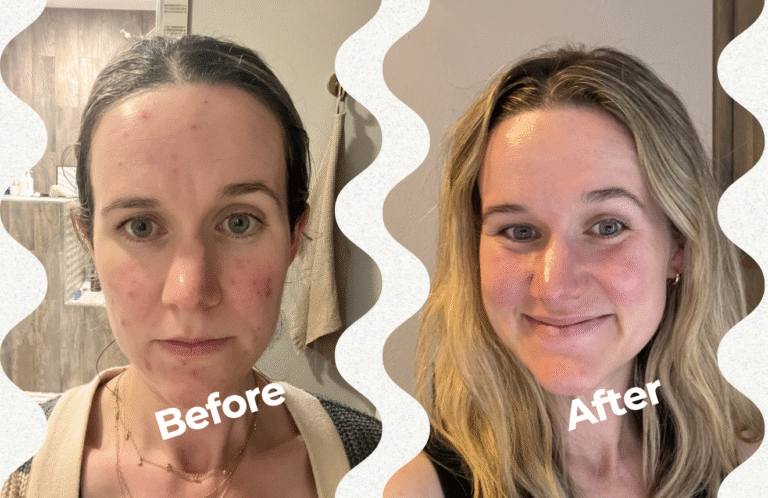
Post-acne dark spots are one of the most searched skincare concerns right now, and for good reason. You do the work to clear a breakout, and it leaves something behind. A flat, discolored mark where the pimple was. Sometimes pink, sometimes brown, sometimes both. This is called post-inflammatory hyperpigmentation, or PIH, and it happens to almost everyone with acne-prone skin at some point.
The frustrating part is that most recommendations for fading post-acne dark spots send you straight to retinol. If you’ve been wondering whether there’s a better way, you’re asking the right question. Learning how to check ingredients yourself before adding anything new to your routine is where this process starts.
What Causes Post-Acne Dark Spots in the First Place
When your skin experiences inflammation, like the inflammation that comes with a breakout, it can trigger the overproduction of melanin. Melanin is the pigment that gives skin its color. When it’s produced unevenly in response to inflammation, it creates those flat discolored marks that linger long after the pimple itself is gone.
Post-acne dark spots are not the same as acne scars. Scars involve changes to skin texture, like pitting or raised tissue. PIH is purely a pigmentation issue, which means it sits at the surface level and is more responsive to topical treatment. However, the timeline for fading can vary significantly depending on your skin tone, how severe the original breakout was, and whether you keep irritating the area after the fact.
The deeper your skin tone, the more melanin you naturally produce, which means post-acne dark spots often appear more pronounced and take longer to fade. This is one of the reasons that ingredient choice matters so much. Anything that causes additional irritation can actually make pigmentation worse rather than better.
Why Retinol for Post-Acne Dark Spots Is Complicated
Retinol is the most commonly recommended ingredient for fading post-inflammatory hyperpigmentation. It works by accelerating cell turnover, which helps bring fresh, unpigmented skin to the surface more quickly. So far, that sounds straightforward.
The problem is the safety profile. Retinol and its prescription counterpart tretinoin are both flagged as toxic under a rigorous dual-screen methodology that evaluates both toxicity and comedogenicity simultaneously. Studies suggest that topical retinoids may speed up the development of skin tumors and cause DNA damage when the skin is exposed to sunlight. That is a tradeoff that deserves serious consideration, particularly for anyone using these ingredients long-term or during sunny months.
Additionally, retinol is a known irritant, especially during the adjustment phase. For acne-prone skin, that irritation can trigger new breakouts, which then leave new dark spots. You can find yourself in a cycle where the treatment for one mark is contributing to the creation of the next. Understanding your full skin profile helps you make decisions that work with your skin rather than against it.
The Three Acne-Safe Ingredients for Post-Acne Dark Spots
There are three ingredients that fade post-acne hyperpigmentation effectively without the toxic flag that comes with retinol. Each one works differently, which means using them together gives you the most comprehensive approach.
Azelaic acid is the most underrated ingredient for post-acne dark spots. It works by inhibiting the enzyme that triggers melanin overproduction in the first place, which means it targets the mechanism of PIH rather than just buffing away the surface. Furthermore, azelaic acid has anti-inflammatory properties, so it helps calm any residual inflammation left behind by the original breakout. It is well tolerated by most skin types and is safe for use during pregnancy, which makes it one of the most versatile options available.
Niacinamide is your brightening workhorse. Also known as vitamin B3, niacinamide works by interrupting the transfer of melanin to skin cells. It doesn’t stop melanin from being produced, but it does prevent it from spreading. Consistent use over several weeks results in a gradual brightening effect across the entire complexion, not just at individual spots. Additionally, niacinamide strengthens your skin barrier, which reduces the likelihood that future breakouts will leave marks at all.
Vitamin C addresses post-acne dark spots through a different mechanism entirely. It works as an antioxidant that inhibits melanin synthesis while also supporting collagen production and overall skin repair. Consequently, it helps with both the pigmentation itself and the broader skin health that makes your complexion look more even over time. The catch with vitamin C is that formulation matters enormously. Many vitamin C serums are unstable, oxidize quickly, or are paired with other ingredients that can be problematic for acne-prone skin. Always screen the full formula before adding it to your routine.
I have a list of my favorite products for all of there here.
What to Avoid When Treating Post-Acne Dark Spots
Two behaviors will extend your timeline significantly and may make pigmentation permanent. The first is picking. When you pick at a healing breakout or at the dark mark it leaves behind, you reactivate the inflammatory process. More inflammation means more melanin overproduction. A mark that might have faded in six to eight weeks can become a permanent change to your skin if it gets picked repeatedly. Use a pimple patch if you need some support!
The second is over-exfoliation. Many people assume that aggressive exfoliation will speed up the fading process by removing pigmented skin cells faster. In practice, however, too much exfoliation creates irritation, disrupts the skin barrier, and triggers more inflammation. Moreover, a compromised barrier is less able to protect itself from sun exposure, which makes hyperpigmentation worse. Gentle exfoliation two to three times per week is appropriate. Daily or aggressive exfoliation is not.
How to Screen Your Products for Post-Acne Dark Spots
The challenge with all three of these ingredients is that the products containing them are not automatically safe for acne-prone skin. A niacinamide serum can contain a comedogenic emollient. A vitamin C formula can contain a fragrance that triggers inflammation. An azelaic acid product can have a pore-clogging thickener hiding several lines down the ingredient list.
This is why checking the full ingredient list matters, not just the featured active. The Ingredient Microscope screens products against a 600-ingredient database for both toxic flags and comedogenic ratings simultaneously. It takes less than a minute and gives you the information you need before the product is in your bathroom and on your face.
Post-Acne Dark Spots and Sun Protection
Sun exposure makes post-acne dark spots significantly darker and extends the time it takes for them to fade. UV light stimulates melanin production, which means any existing hyperpigmentation will deepen with unprotected sun exposure. SPF every single morning is non-negotiable when you are actively treating post-inflammatory hyperpigmentation.
The same screening principle applies to sunscreen. Many popular SPF products contain ingredients that are comedogenic, particularly some chemical filters and emollients used in water-resistant formulas. According to the American Academy of Dermatology, broad-spectrum SPF 30 or higher is the minimum recommendation for daily use. The key is finding a formula that meets that standard while also passing both the toxin screen and the comedogenic screen. My recommendations are here.
The Full Picture on Fading Post-Acne Dark Spots
Post-acne hyperpigmentation is frustrating but it is also one of the more responsive skin concerns to treat correctly. Azelaic acid, niacinamide, and vitamin C are all well-researched, effective options that work without the safety tradeoffs that come with retinol. Consistency matters more than intensity. Daily SPF matters as much as any active ingredient you apply at night. And not picking matters more than both of them combined.
The missing piece for most people is not knowing which products are actually safe to use. Clean labels and dermatologist recommendations are not the same as a product that has been screened for both toxic ingredients and comedogenic ratings. Learn more about the dual screen methodology and why most skincare advice only covers half the picture.