Clean Beauty Reformulation: When Trusted Brands Change Their Formulas
A few weeks ago, something happened that broke my heart as both a skincare researcher and someone who’s battled acne for over 20 years.
I went to reorder a few of my absolute favorite “clean” products – ones I’ve recommended countless times. When I checked the ingredients like I always do, I discovered they’d been reformulated. And not for the better.
This clean beauty reformulation trend isn’t just about these two brands. It’s about a pattern in the beauty industry that every conscious consumer needs to understand – because if it happened to products I trusted, it’s probably happening to yours too.
Let me share what I found, why it matters, and how you can protect yourself from buying reformulated products that aren’t actually clean anymore.
The Illusion of Choice: What Clean Beauty Reformulation Reveals
Before we dive into the specific examples, you need to understand something about the beauty industry that changes everything.
You know how there are hundreds of “clean” beauty brands to choose from? Here’s what they don’t want you to know: Just 7 corporations own 182 beauty brands.
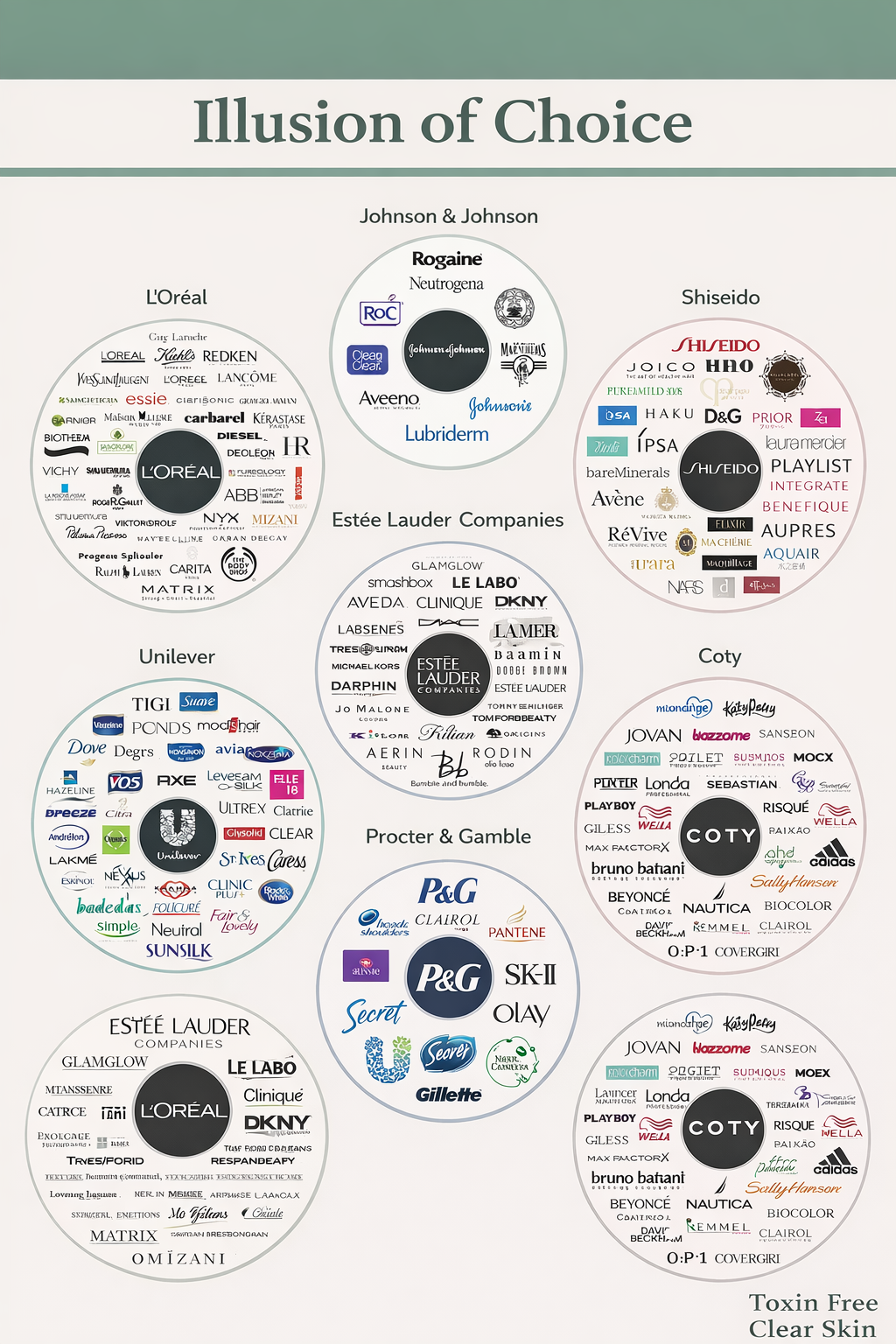
L’Oréal. Estée Lauder. Unilever. Johnson & Johnson. Procter & Gamble. Shiseido. Coty.
Same formulations. Different price points. Different marketing budgets.
You think you’re choosing, but it’s all controlled by the same companies. When big beauty acquires indie brands, clean beauty reformulation often follows – usually to cut costs and standardize formulas across their portfolio.
But here’s the twist that caught me off guard: It’s not just about corporate takeovers.
Even Independent “Good Guy” Brands Do Clean Beauty Reformulation
Last month, I went to reorder products I’ve trusted for years:
- Evolvh SmartCurl shampoo & conditioner
- CLEARSTEM Hydraberry moisturizer
I checked the ingredients using my Ingredient Microscope – something I do religiously – and my stomach dropped.
Both had been reformulated with ingredients that directly contradict what clean beauty should stand for. No warning. No announcement. Just quietly changed formulas.
Additionally, these weren’t small tweaks. These were significant additions of toxic and pore-clogging ingredients to previously clean products.
What Changed in CLEARSTEM Hydraberry After Clean Beauty Reformulation
CLEARSTEM added 3 toxic ingredients to their previously clean moisturizer:
1. Salicylic Acid (BHA)
BHA stands for Beta Hydroxy Acid – a chemical exfoliant the skincare industry loves to market as “acne-fighting.” But here’s what they don’t tell you:
BHAs are endocrine disruptors. They interfere with your hormone system, which can actually worsen acne by throwing off your body’s natural balance. Furthermore, they’re harsh on your skin barrier, stripping away the protective layer your skin needs to stay healthy.
There are gentler, non-toxic alternatives that work with your skin instead of against it. Why would a “clean” brand add a hormone-disrupting chemical to their moisturizer?
2. Phenoxyethanol
This common preservative sounds harmless but can cause skin irritation, eczema, and allergic reactions. Moreover, it’s been linked to nervous system effects and is particularly problematic for sensitive skin. Many European countries have restrictions on its use in products for children.
3. 1-(2,6,6-Trimethyl-2-Cyclohexen-1-Yl)-2-Buten-1-One
Also known as β-Damascone (beta-damascone), this is a synthetic fragrance compound. It’s a known fragrance allergen that can cause allergic contact dermatitis, rashes, and skin sensitivity. The Environmental Working Group flags it for moderate concerns around allergies and immunotoxicity.
The verdict: The product is still acne-safe (non-comedogenic), but it’s no longer clean.
What Changed in Evolvh SmartCurl Shampoo & Conditioner
This one really hurt because I LOVED this duo. Here’s what they added to both the shampoo and conditioner:
1. Disodium Laureth Sulfosuccinate
Anything with “-eth” in the name is a red flag. This is an ethoxylated compound – made using ethylene oxide, which is a known carcinogen. Consequently, the manufacturing process can leave behind 1,4-dioxane, another known carcinogen.
2. Sorbeth-230 Tetraoleate
Another ethoxylated ingredient with the same carcinogen contamination risks.
Why add carcinogen-contaminated ingredients to a “clean” shampoo and conditioner? Cost-cutting. These are cheap alternatives to safer (but more expensive) surfactants and emulsifiers.
3. Natural Fragrance
Let’s be clear about this term:
- “Natural” doesn’t mean safe
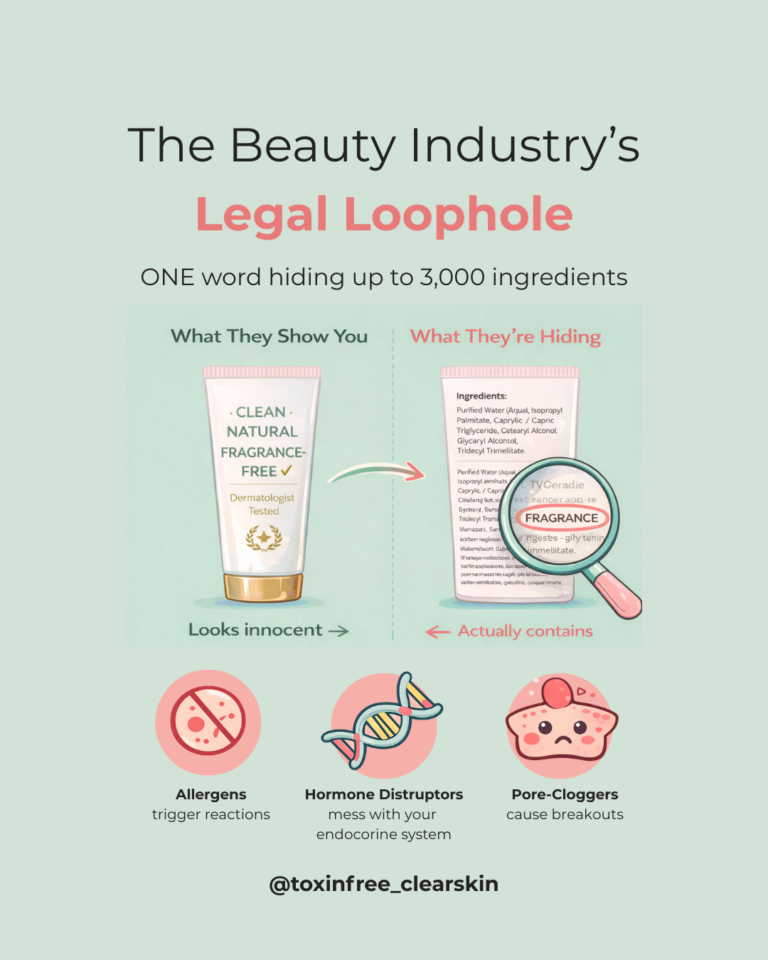
- Fragrance (even “natural”) can contain hidden chemicals that trigger breakouts
- True clean brands fully disclose their botanical fragrance ingredients
- This is a catch-all term that can hide dozens of undisclosed chemicals
4. Sorbitan Laurate
Pore-clogging ingredient with a comedogenic rating of 3/5.
5. Linum Usitatissimum (Linseed) Seed Extract
Also known as flaxseed oil. Highly comedogenic with a rating of 4/5. This heavy oil clogs pores.
Why this matters for hair products: Shampoo and conditioner run down your face, hairline, neck, and back every time you wash. Therefore, they’re transferring pore-clogging ingredients to all those breakout-prone areas. (Trust me – I’ve gotten back acne from the “wrong” conditioner too many times to count.)
The Pattern I’m Seeing Across Clean Beauty Reformulation
Whether it’s corporate takeovers changing formulas, independent brands cutting costs with cheaper ingredients, or the illusion of choice creating standardized formulas at different price points – the result is the same.
You can’t trust “clean” marketing anymore.
This isn’t me calling out CLEARSTEM or Evolvh as “bad” companies. I still love and recommend many of their other products. However, this is about a systemic problem in the cosmetics industry where clean beauty reformulation happens without warning, without transparency, and without any obligation to tell customers.
The label still says “clean.” The marketing still promises “non-toxic.” But the ingredients tell a different story.
How to Protect Yourself From Clean Beauty Reformulation
Check ingredients. Every. Single. Time.
Even products you’ve been using for years. Especially products you’ve been using for years.
This used to take me forever. I’d Google every ingredient, cross-reference multiple databases, try to figure out if that long botanical name was secretly coconut oil. (Spoiler: it usually is.)
Now? My Ingredient Microscope does it in seconds. It analyzes for BOTH toxic AND comedogenic ingredients – because both matter if you want actually clear, healthy skin.
You can’t have truly clear skin if you’re only avoiding one type of harmful ingredient while loading up on the other. This dual methodology is what finally cleared my skin after 20+ years of struggling.
Building a Routine You Can Trust
If you’re tired of playing ingredient detective with every product, The Routine Method does the hard work for you. It recommends only products that pass both the toxin-free test AND the non-comedogenic test.
I built these tools because I needed them myself. After discovering that even my most-trusted “clean” products had been reformulated with toxic and pore-clogging ingredients, I realized nobody was checking for both.
The clean beauty movement focuses on toxins. The acne community focuses on comedogenic ingredients. But if you have acne-prone skin and you care about what you put on your body, you need both.
I keep updating the database as products reformulate (because clearly, they do constantly!) so you’ll always have current recommendations you can actually trust.
Your Next Steps
Start checking your products today. Use the Ingredient Microscope to analyze what’s currently in your routine – especially products you’ve been using for a long time, since those are most likely to have reformulated without you noticing.
If you discover a product that’s changed, I want to hear about it. Email me directly. I’m building a list of brands to watch, and your experience could help protect other people from making the same mistake.
Stay skeptical, stay informed, and never stop checking those labels. The beauty industry is counting on you not to notice clean beauty reformulation – but now you know better.
Have you discovered a product that reformulated on you? Share your story in the comments below or email me directly Let’s hold these brands accountable together.




I just found this post while searching for a replacement for the Evolvh SmartCurl shampoo and conditioner. I have used these for years and this last order just isn’t nearly as good as it used to be. I didn’t have any old bottles to compare ingredients, but I knew something changed. The scent of the conditioner is now very off putting to me. My hair just doesn’t react to it like it used to. It’s so disappointing because it took me years to find the right products when I discovered Evolvh.
I know it’s so upsetting! I loved their old product so much. I found a shampoo I like but still very much struggling on the conditioner front. Please let me know if you find one!